Bundjalung Language Resources

PROJECT DESCRIPTION

This project is part of our own journey to re-learn Country. Our language group is one of many efforts in the Northern Rivers Bundjalung region to revitalise, reconnect, and heal with our Country knowledge again.
Bundjalung Nation is built from several dialects and languages. These are our own local and personal interpretations, collected into readable cards that are accessible for the whole mob.
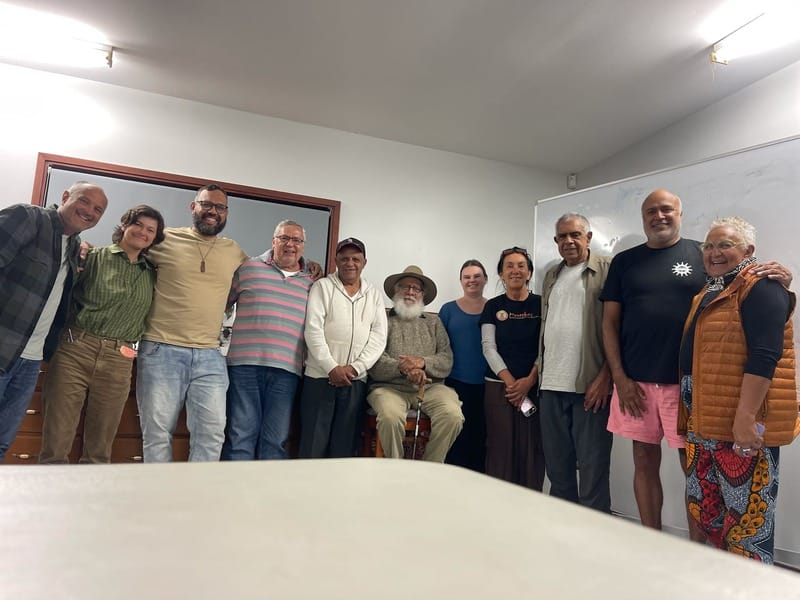
Our Language Mob!

Bundjalung Beach creatures

2025

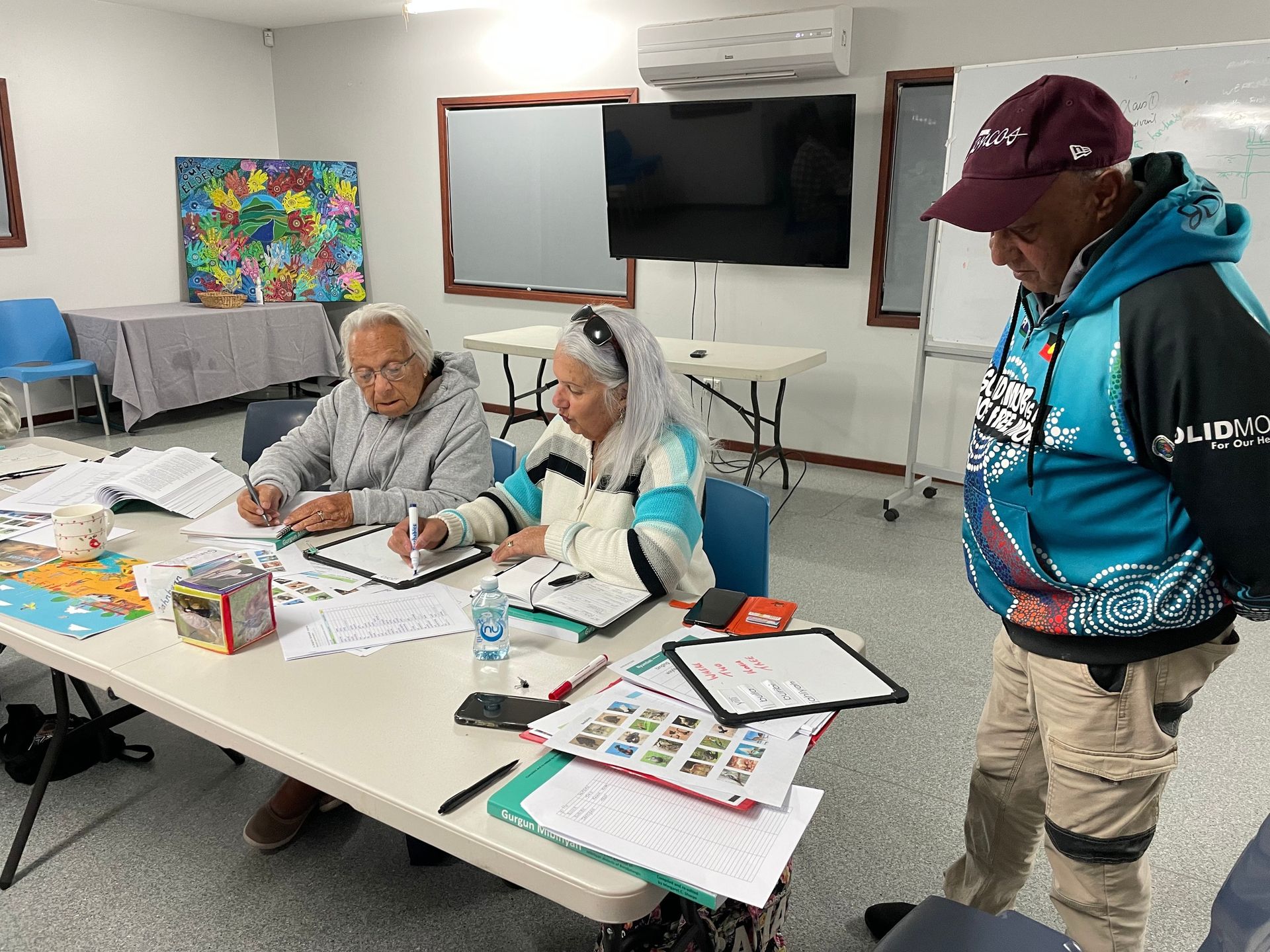
Working in collaboration with local elders and their non-profit language organisation (link here), we have developed educational resources in an effort to help educate our future generations and local communities using Bundjalung language and place names.
CREATION PROCESS

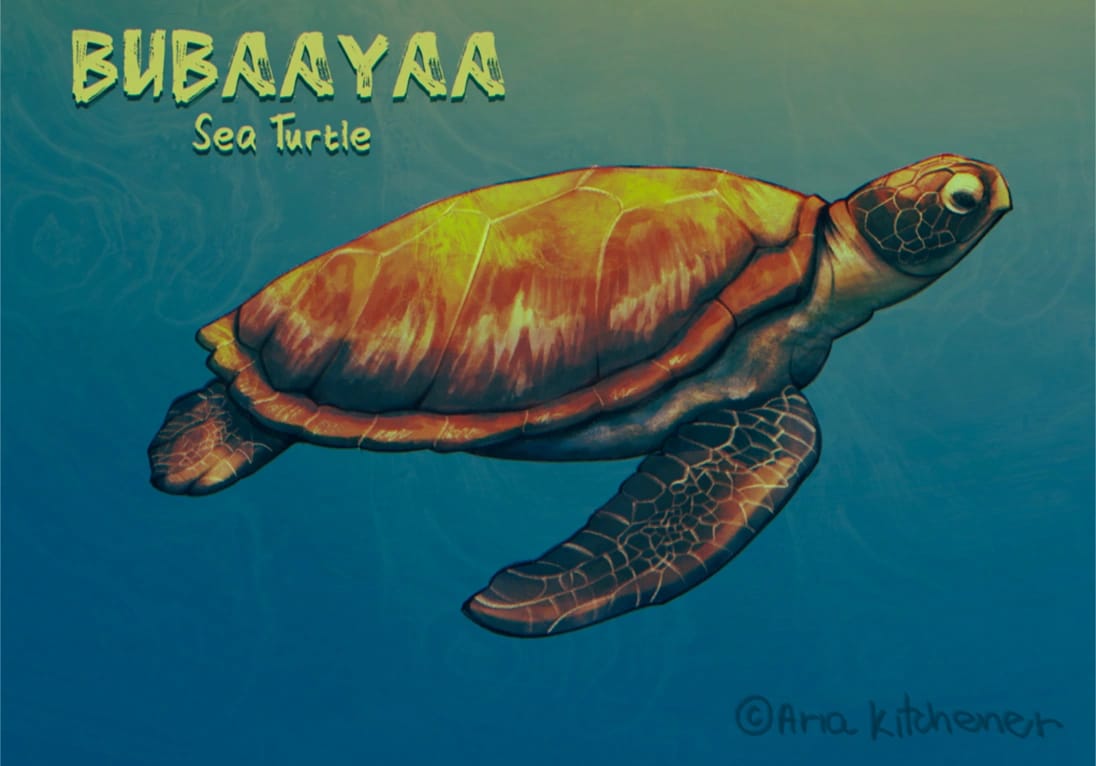
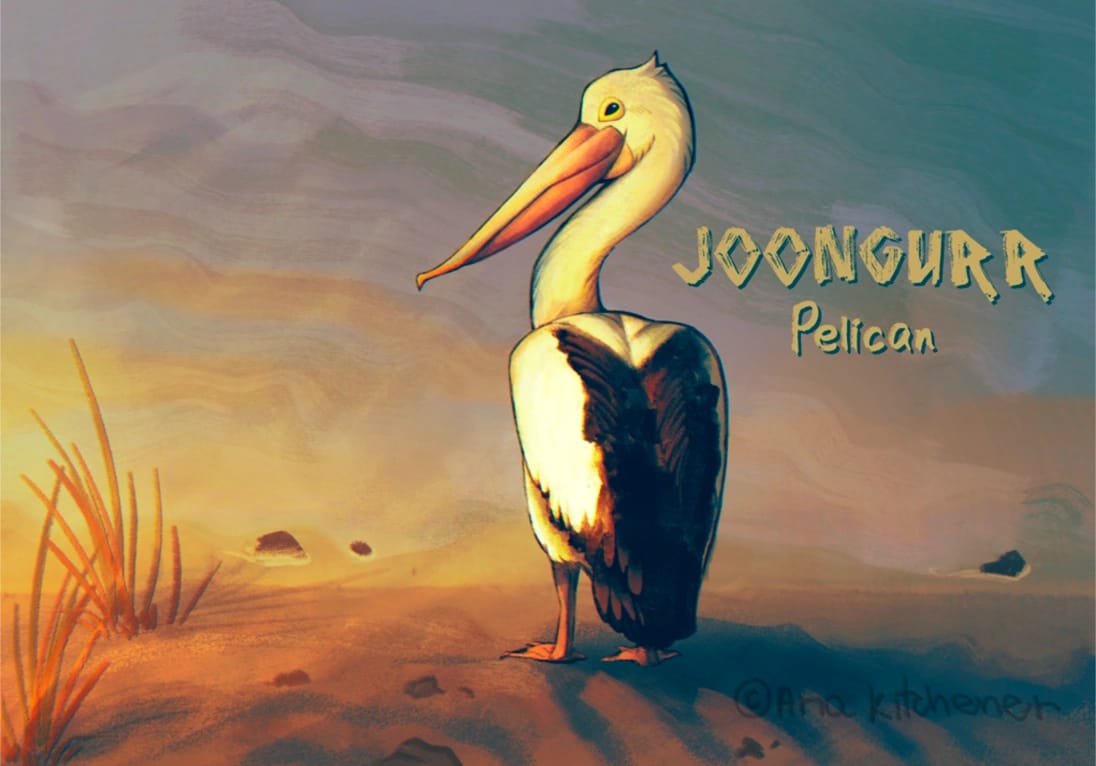
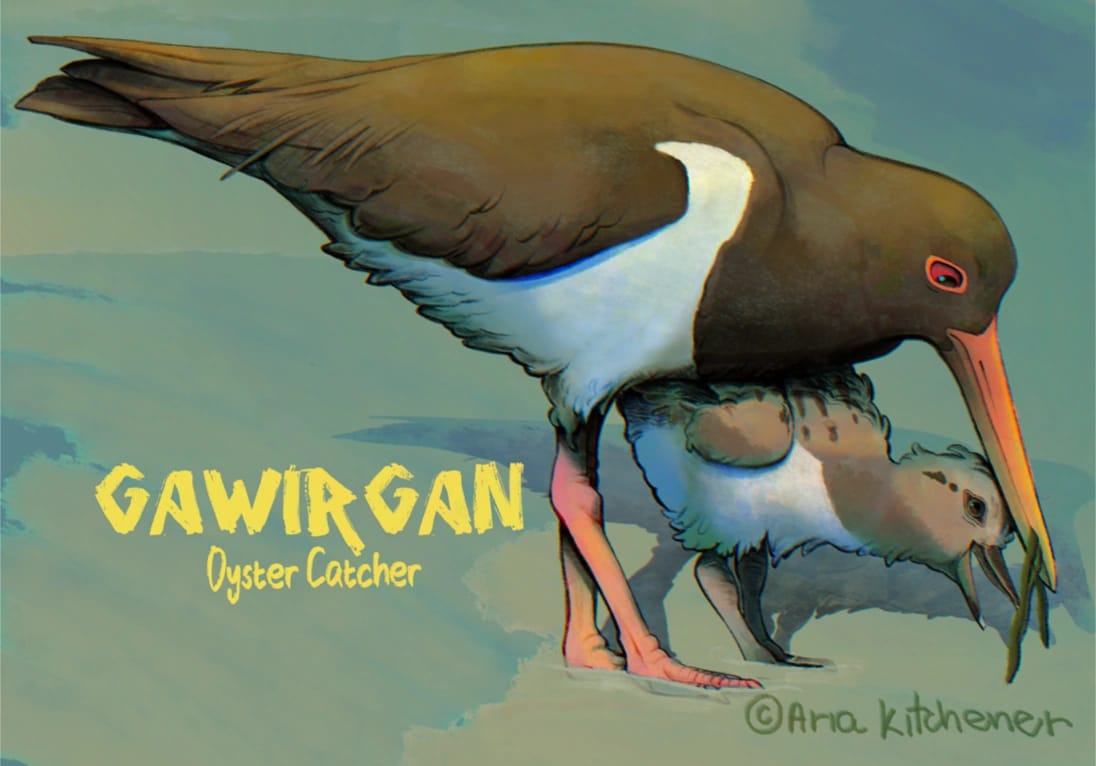
Each animal is researched from our local native ecosystems. The Bundjalung language group, elders, and a language committee have worked together, matching our local language to their natural environments.

Using photography and the help of the best reference material available, we draft and redraw these beautiful totems of our culture.
Language Cards

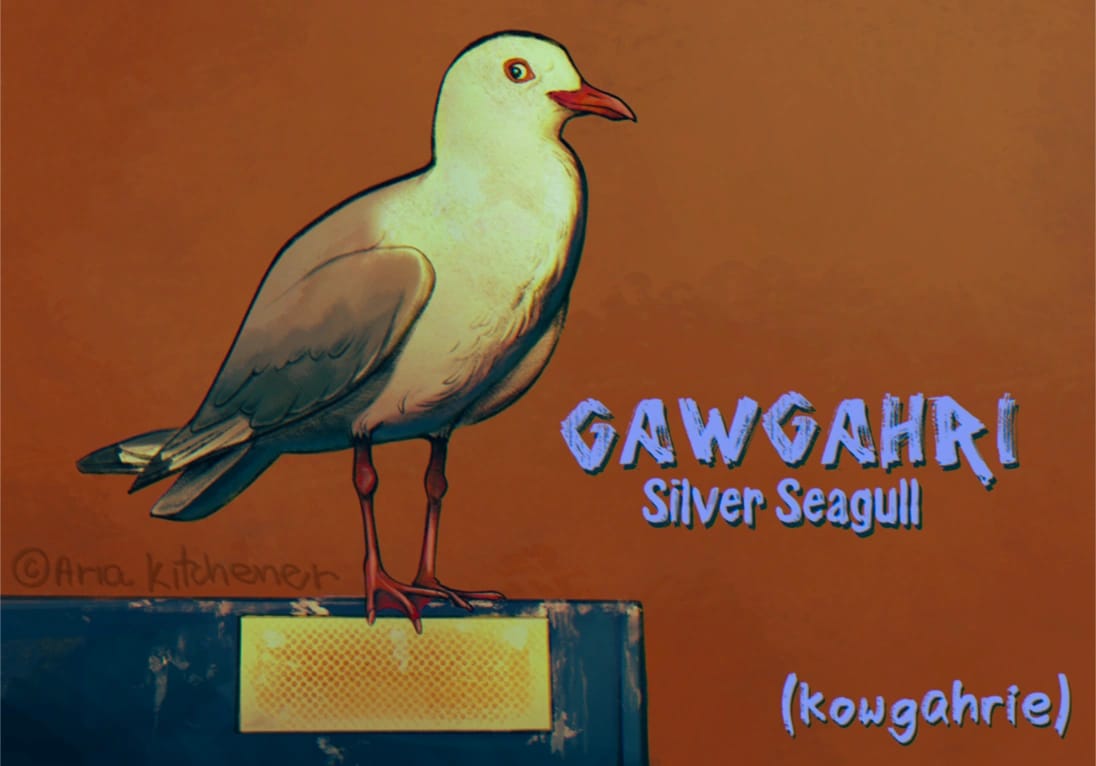
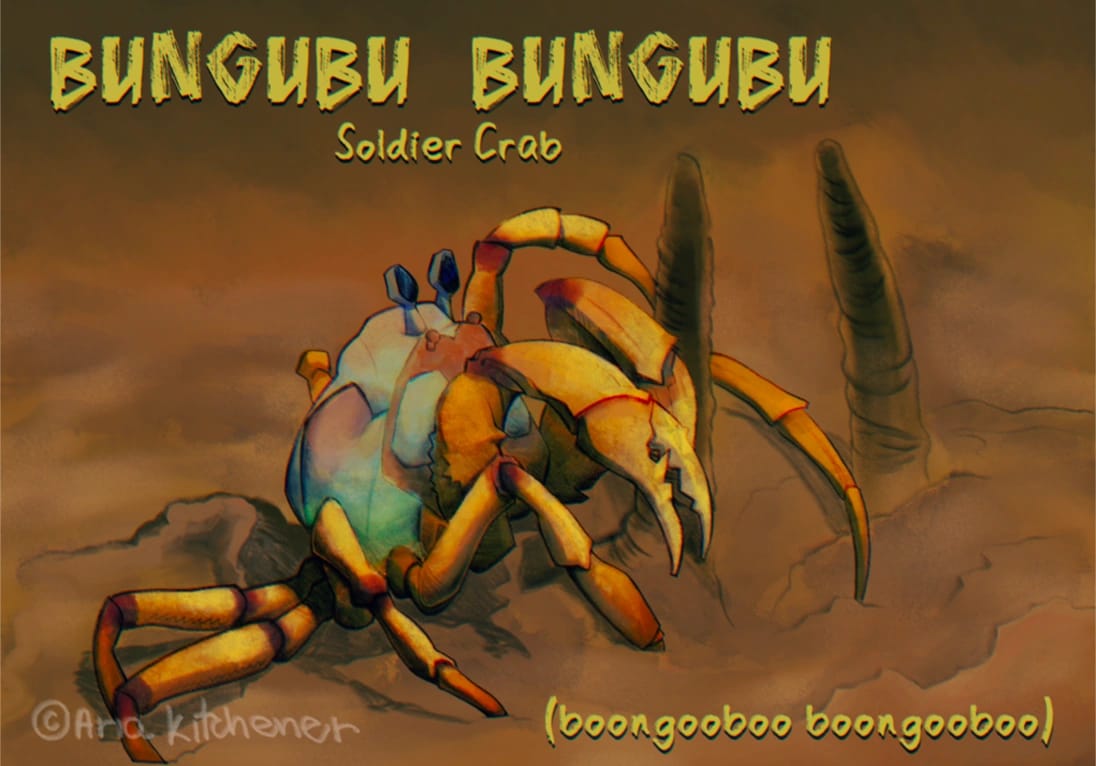
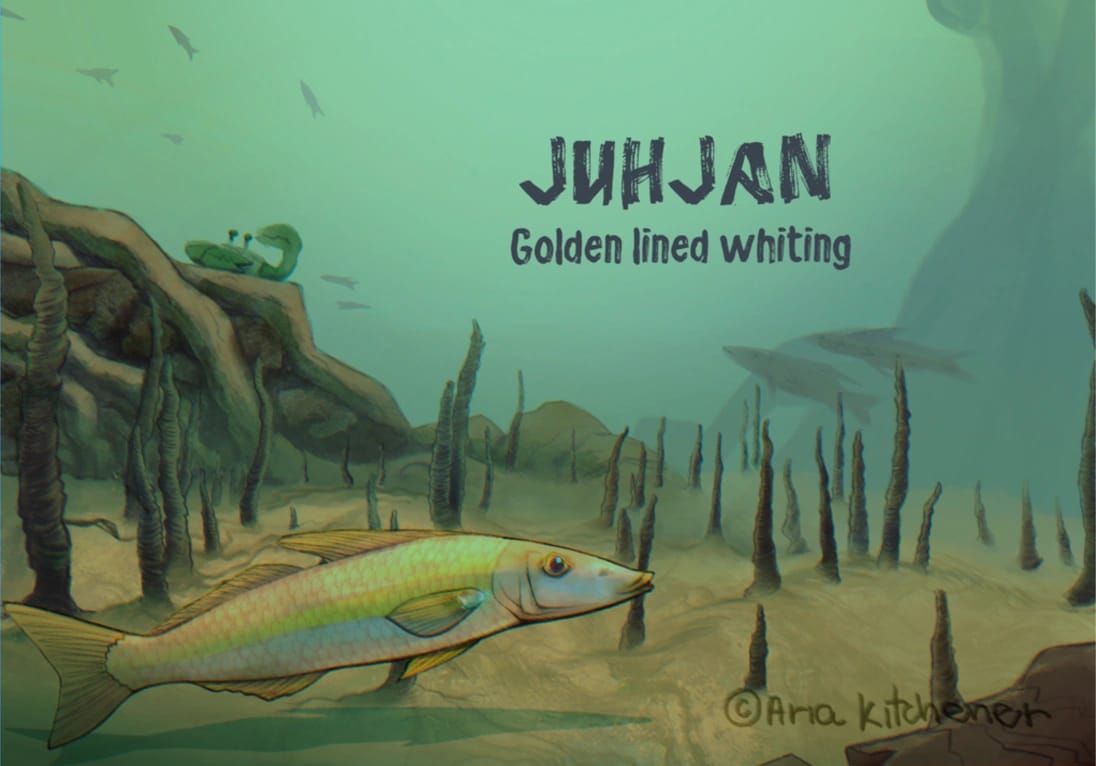
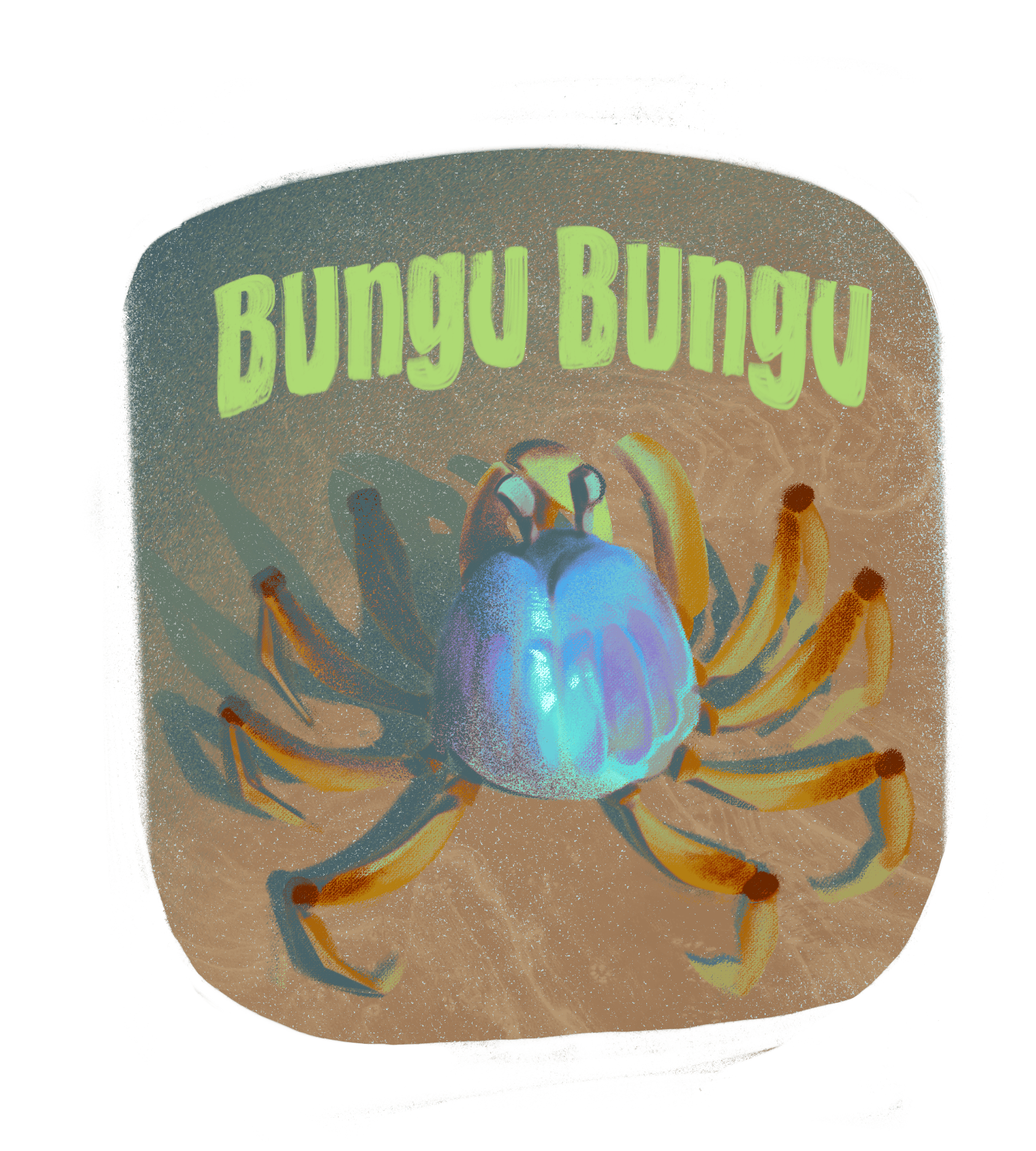
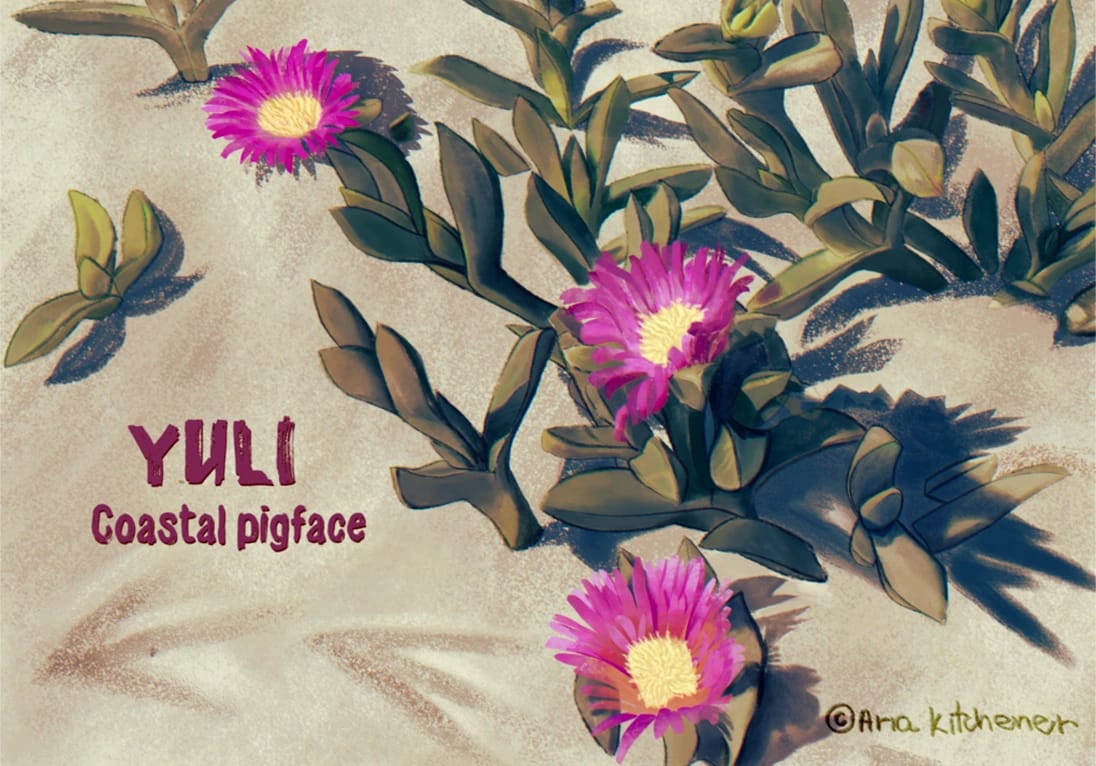
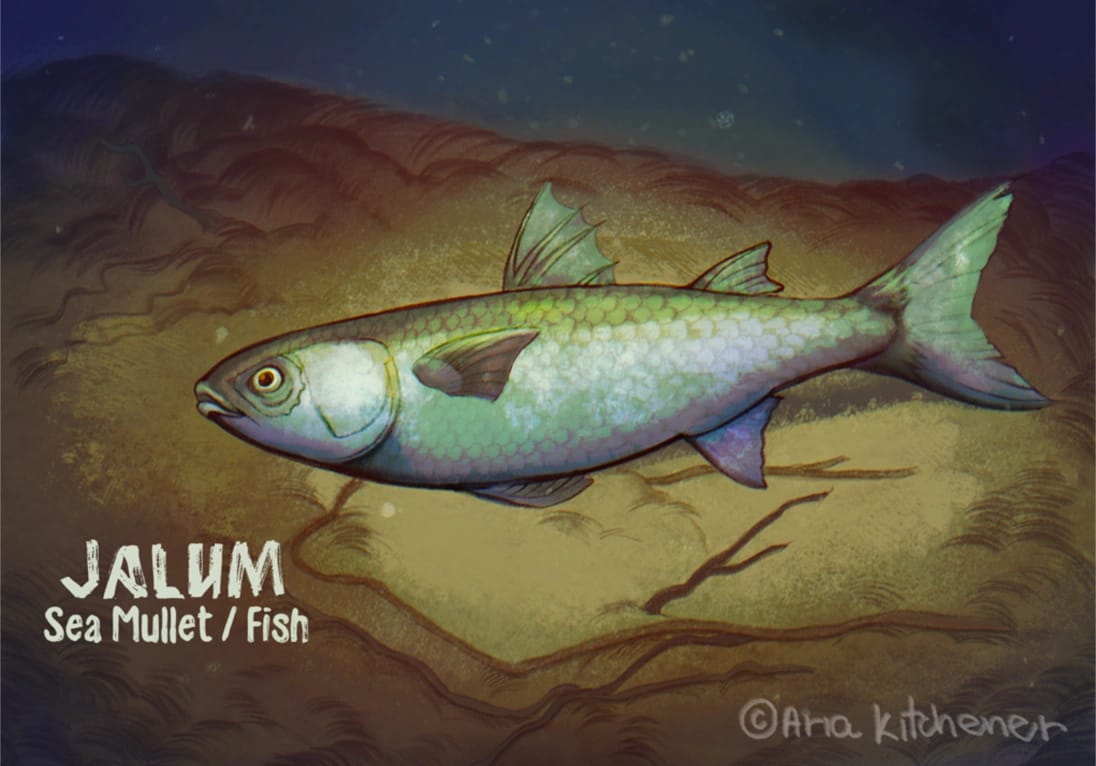
Illustration of Bubaayaa, a sea turtle, representing marine life in Bundjalung language educational resources about coastal ecosystems.Illustration of Bungubu Bungubu, the soldier crab, created for Bundjalung language learning resources about coastal wildlife in the Northern Rivers.Illustration of Burulugan, the bush stone curlew, used in Bundjalung language learning materials about native Australian birds.Illustration of Gawgahri, the silver seagull, featured in Bundjalung language educational wildlife resources from the Northern Rivers region.Illustration of Gawirgan, the oyster catcher bird, shown feeding along coastal ecosystems in Bundjalung language education resources.Illustration of Joongurra, the pelican, representing coastal birdlife in Bundjalung language wildlife learning materials.Illustration of Juhjan, the golden lined whiting fish, shown within coastal marine ecosystems of Bundjalung Country.Illustration of Julum, the sea mullet fish, featured in Bundjalung language educational resources about coastal marine life.Illustration of Yuli, the coastal pigface plant, growing in sandy coastal habitats of Bundjalung Country.

Concept Art

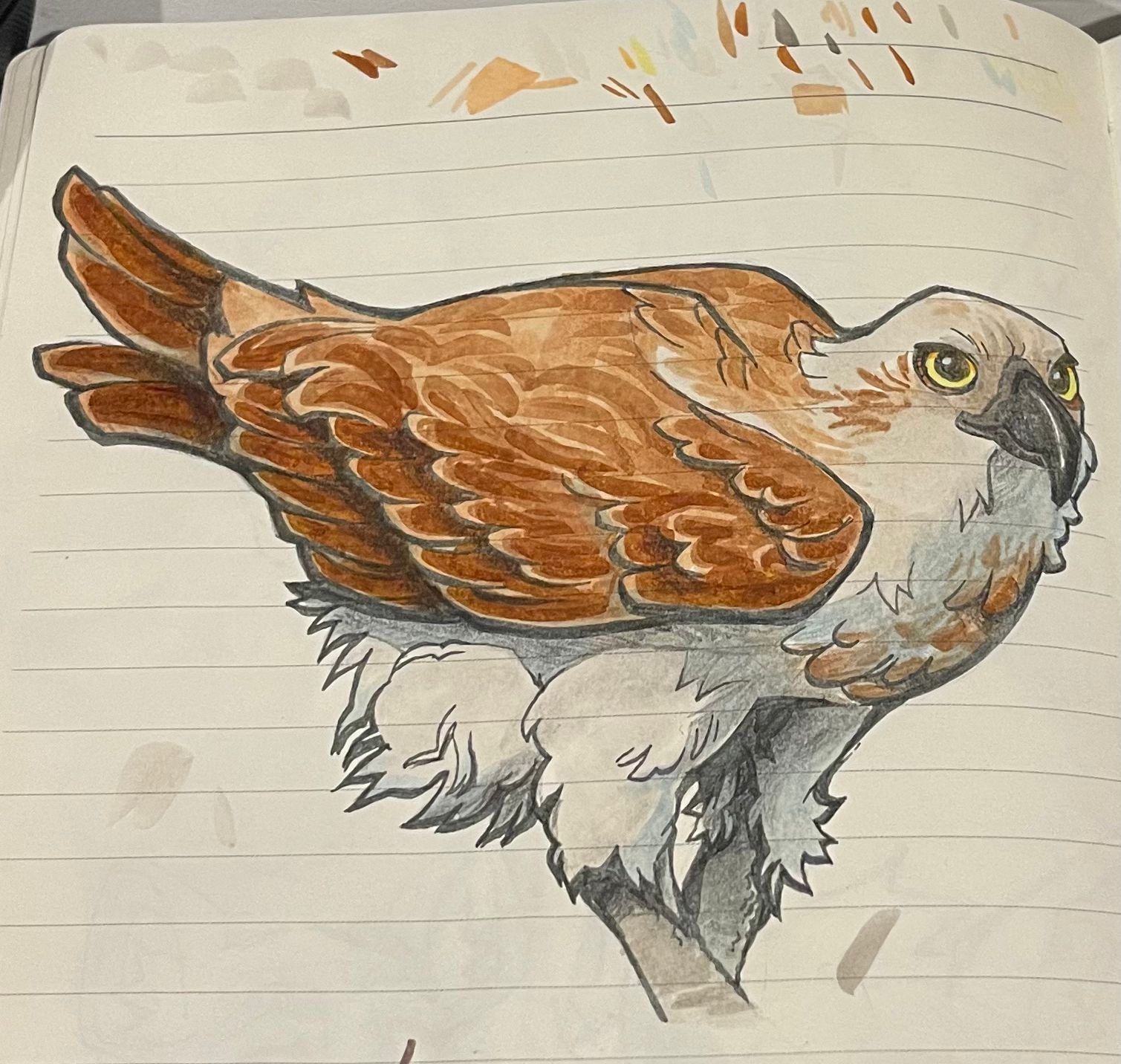
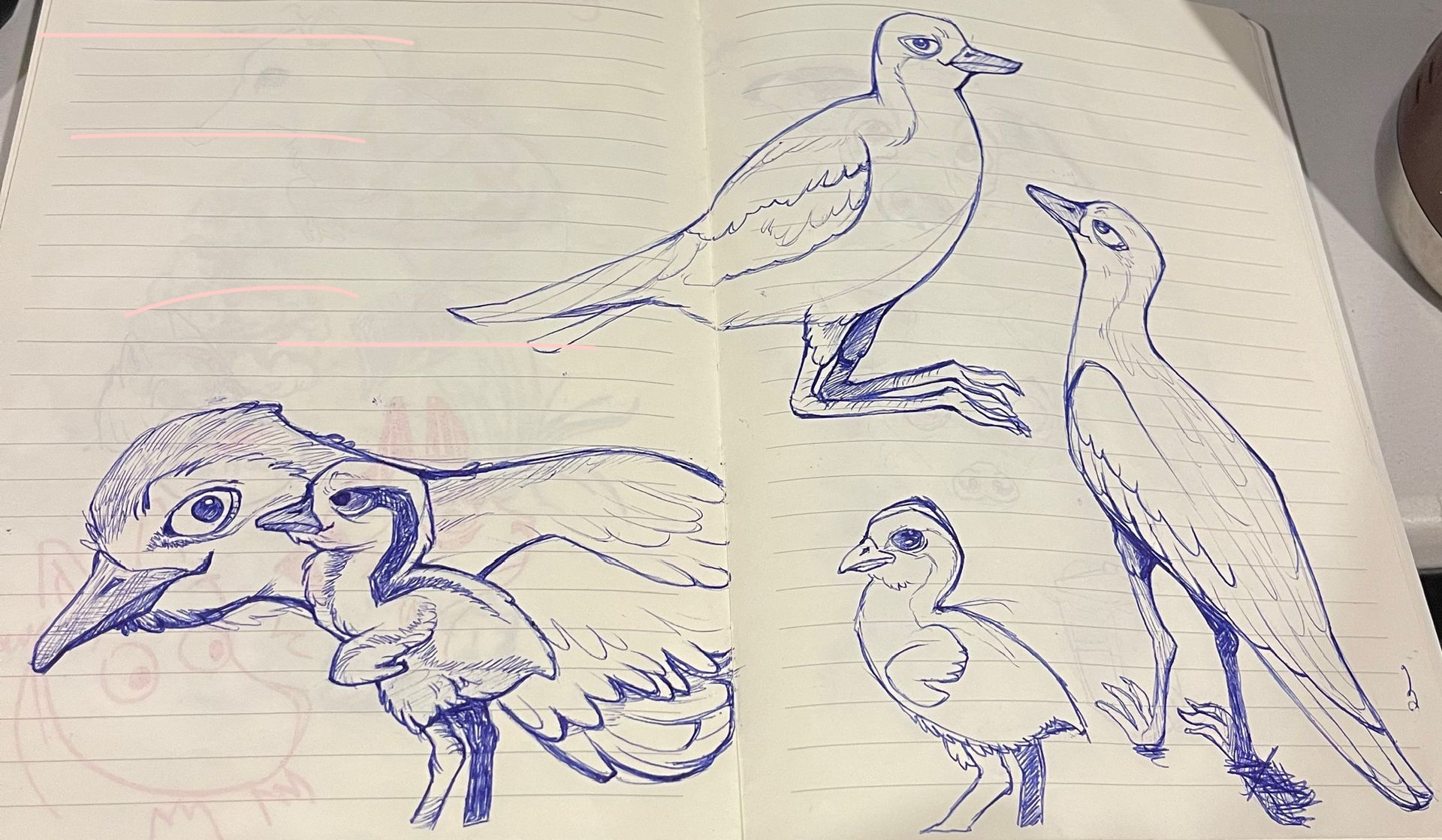
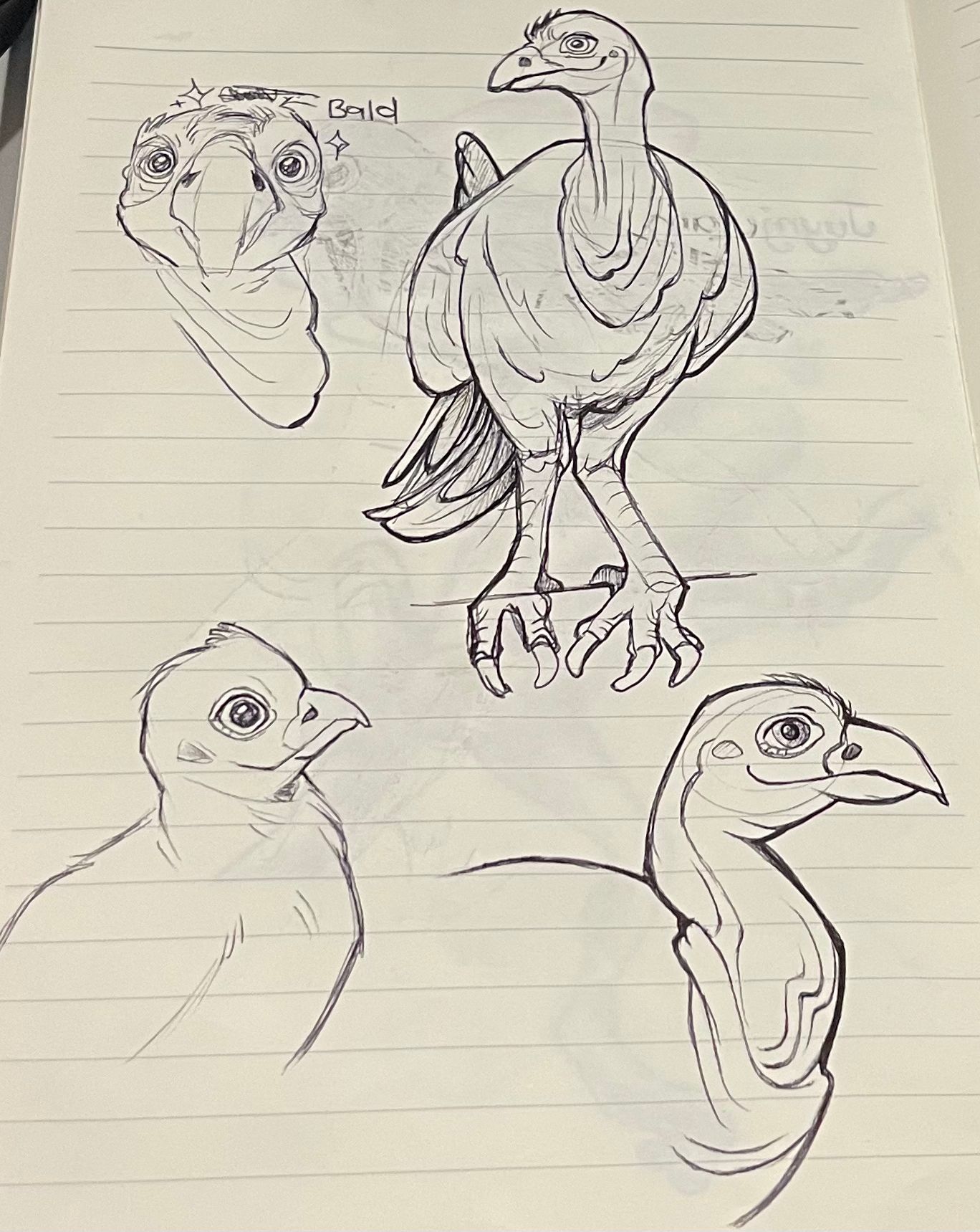
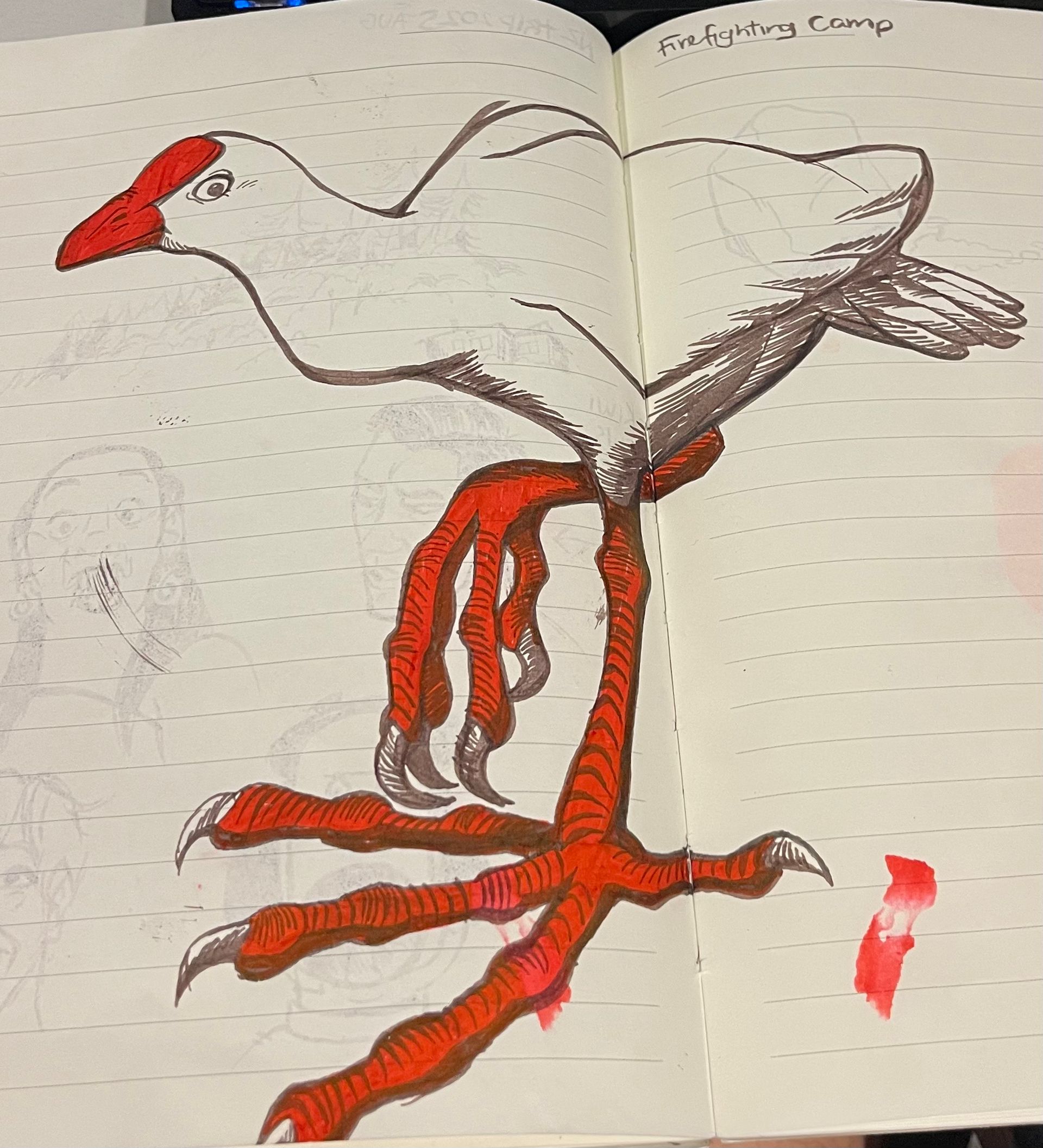
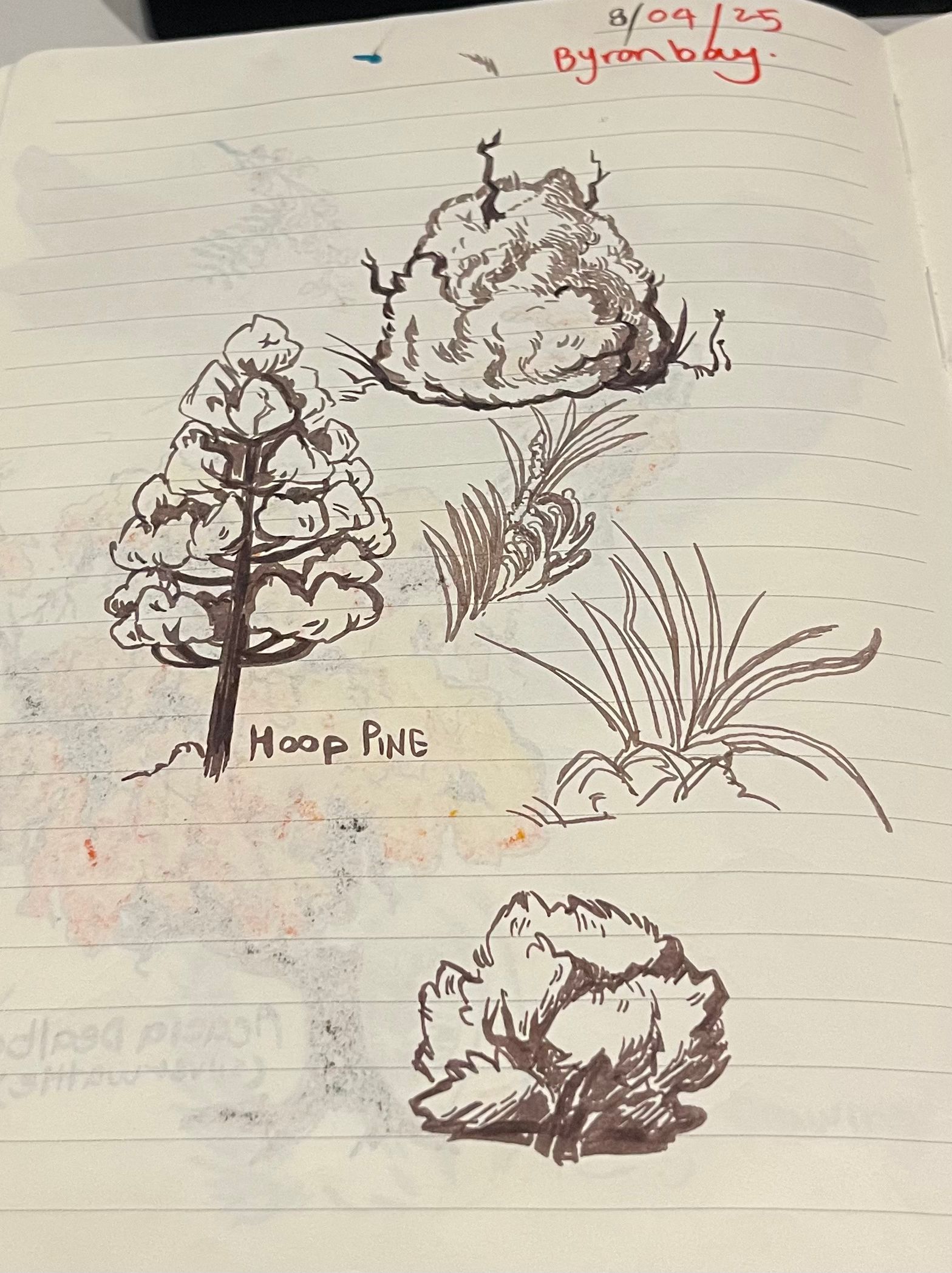
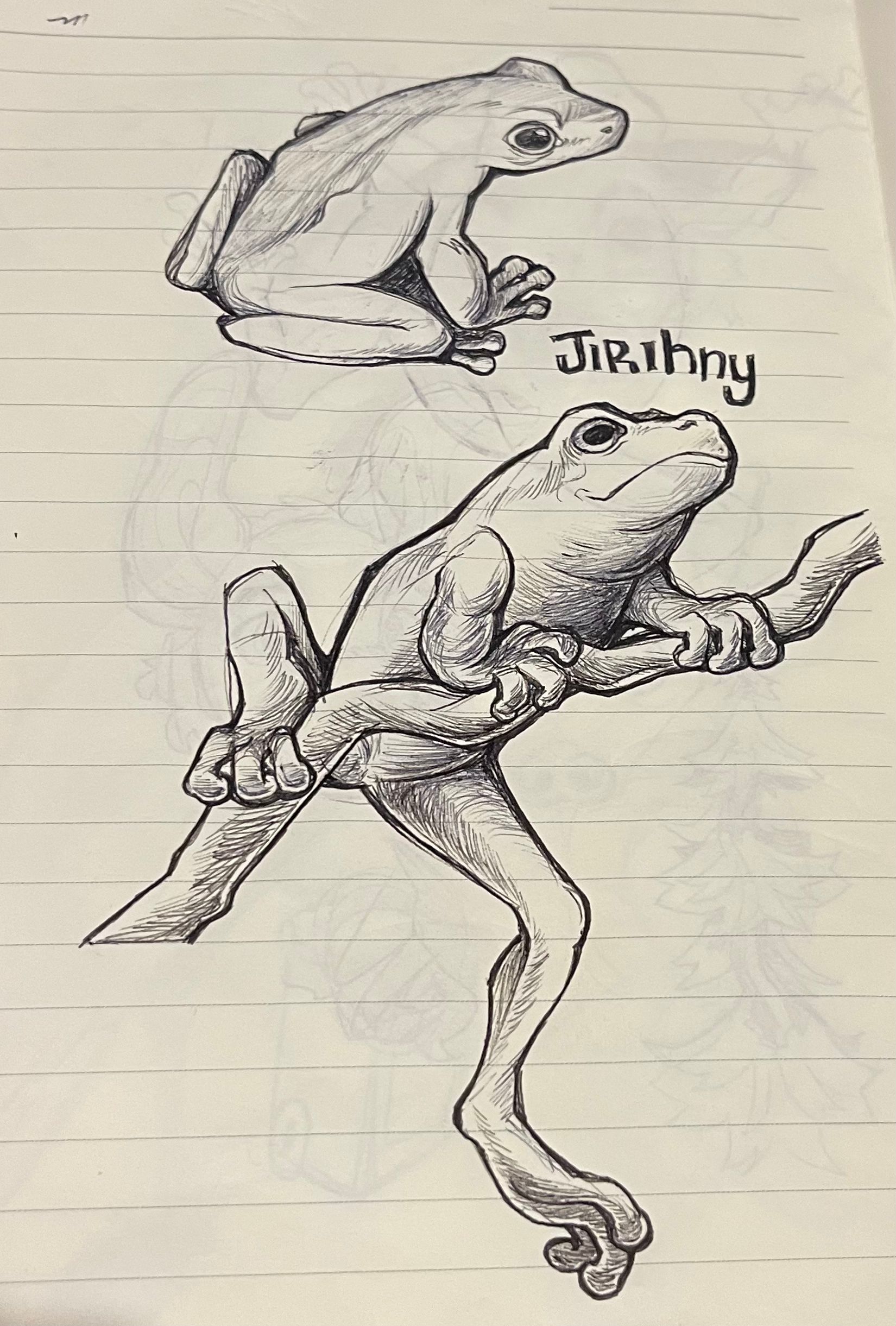
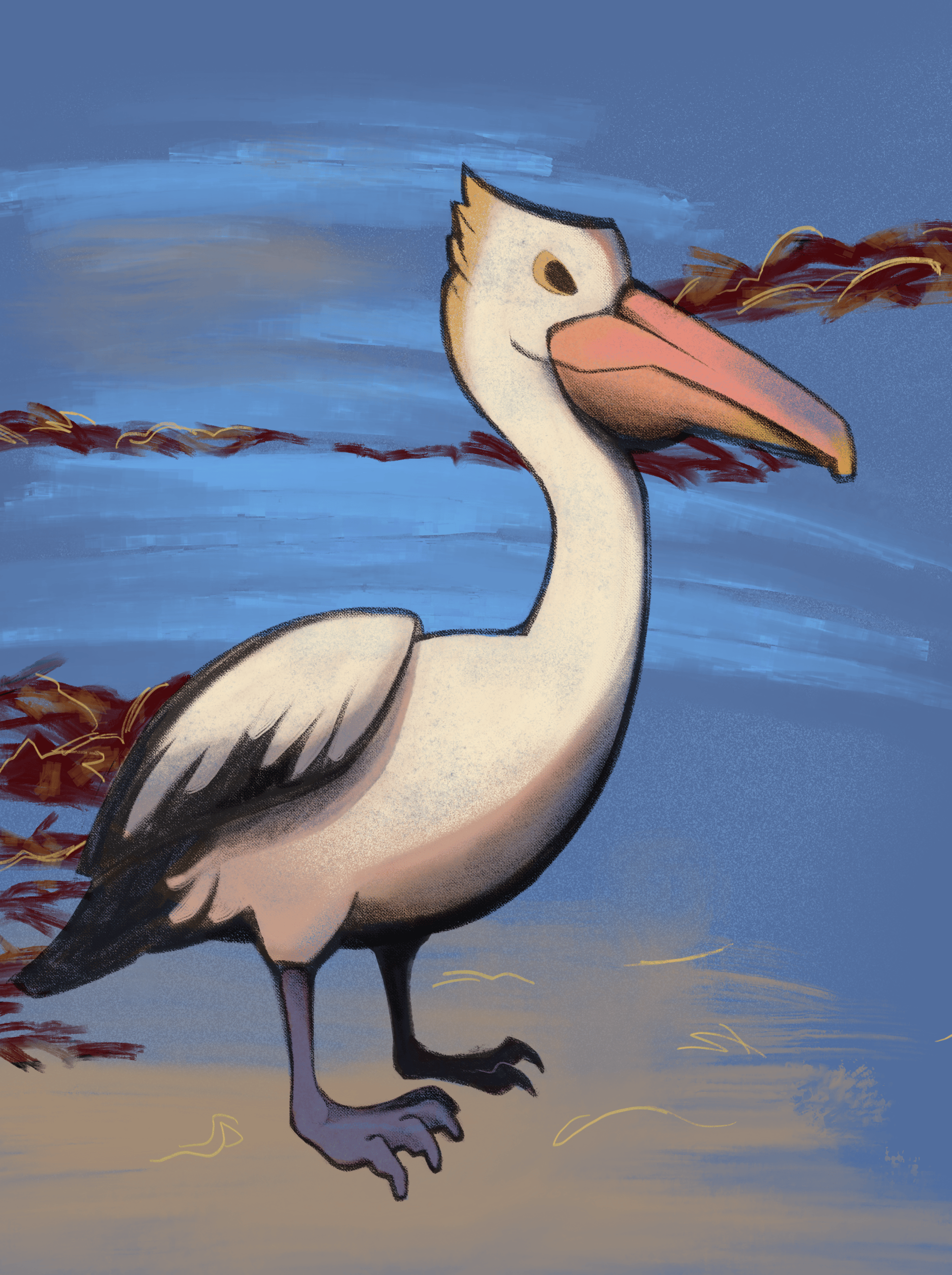
This concept art collection explores the early stages of wildlife illustration and environmental storytelling through sketch studies of Australian animals, coastal birds, native plants and ecosystem species.

Each drawing begins as observational research, using field references, photography and sketchbook studies to understand the anatomy, movement and character of species found across the Northern Rivers and Bundjalung Country.

These concept sketches form the foundation for larger illustrated works used in educational resources, environmental studies and Bundjalung language revitalisation projects. By documenting native wildlife such as pelicans, frogs, raptors and coastal species, the artwork helps connect ecological knowledge with cultural storytelling and place-based learning.

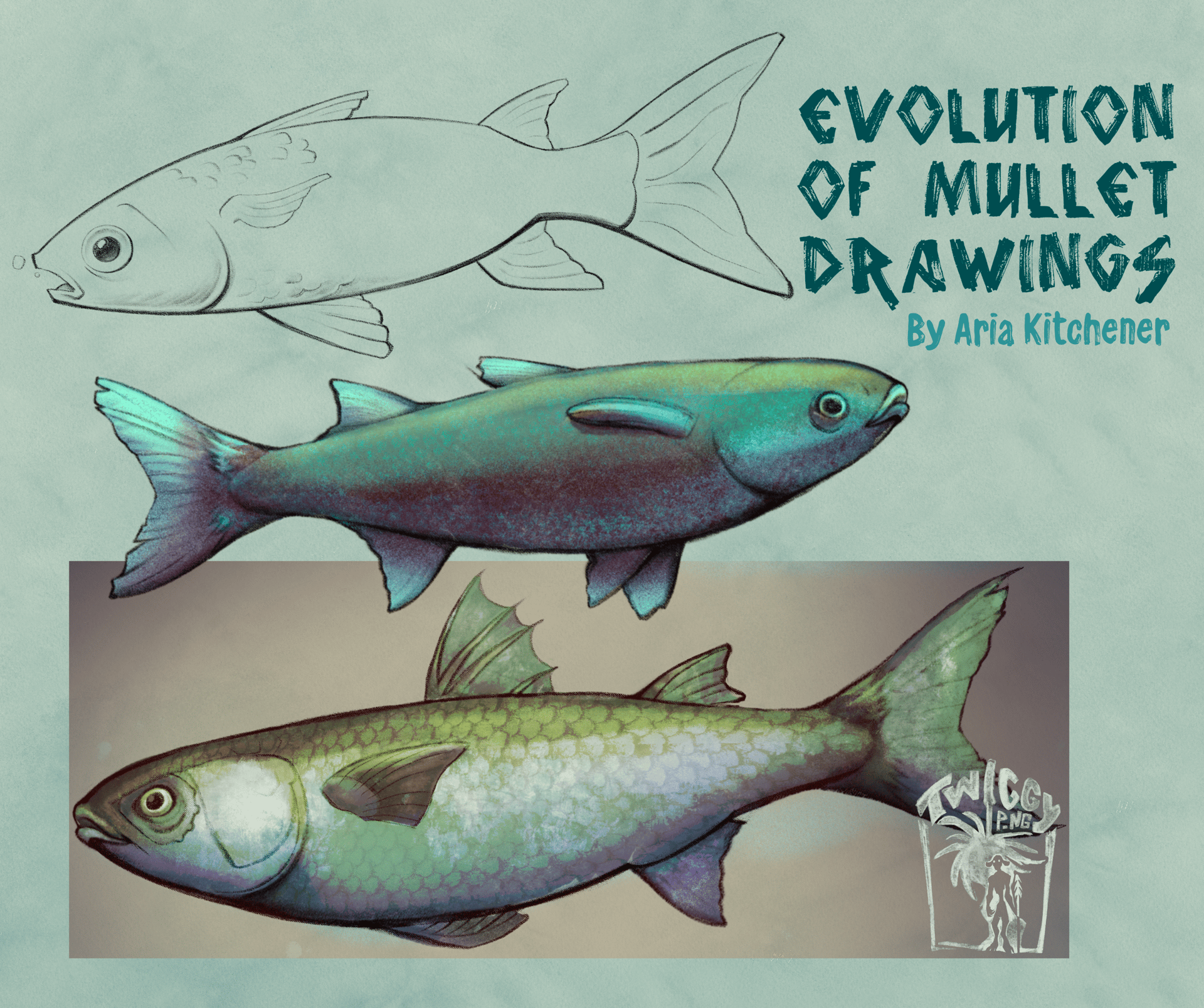
Through concept art and iterative sketch development, these studies show the evolution from rough field notes to refined illustrations, capturing the biodiversity of Australia while supporting cultural education and environmental awareness.

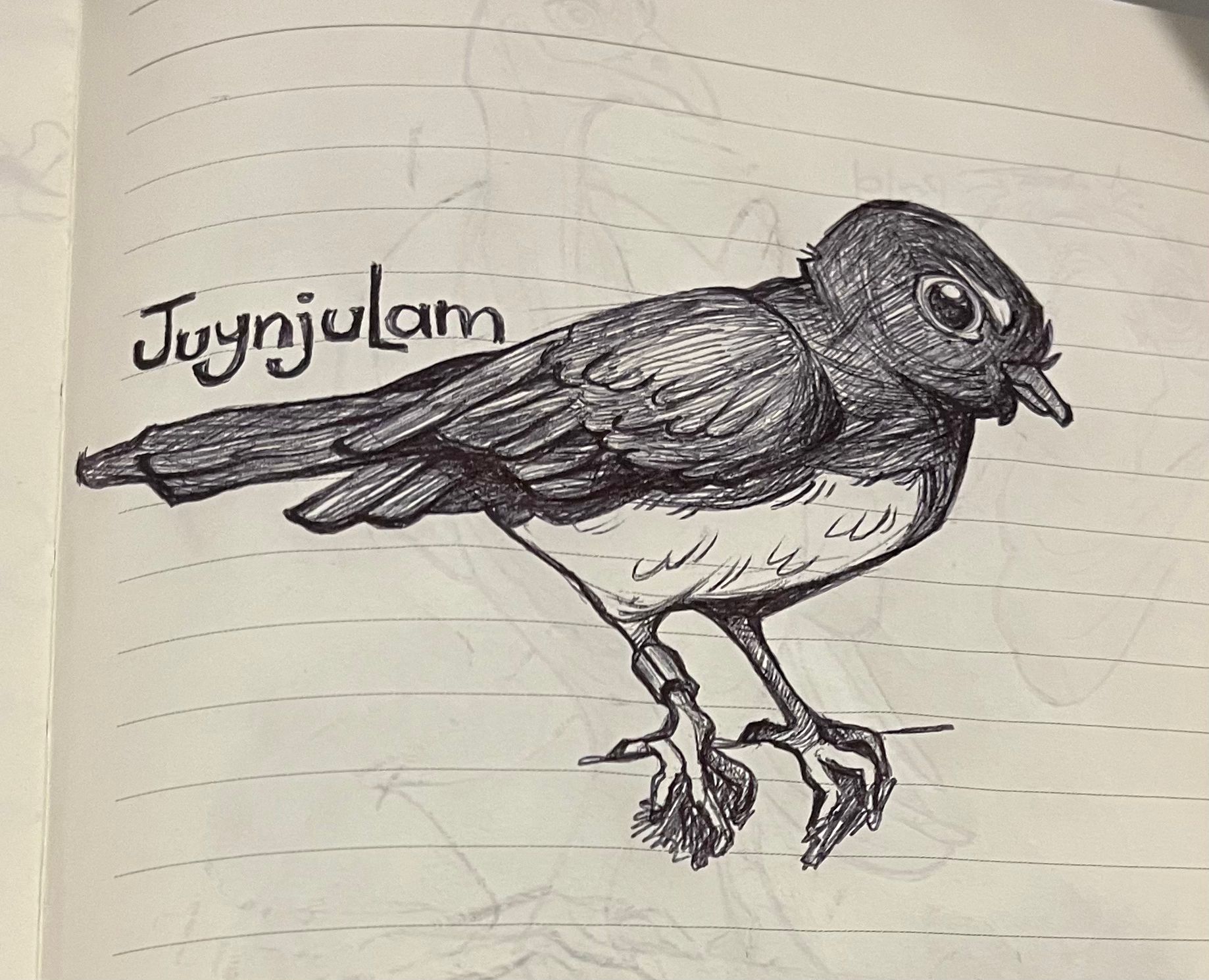
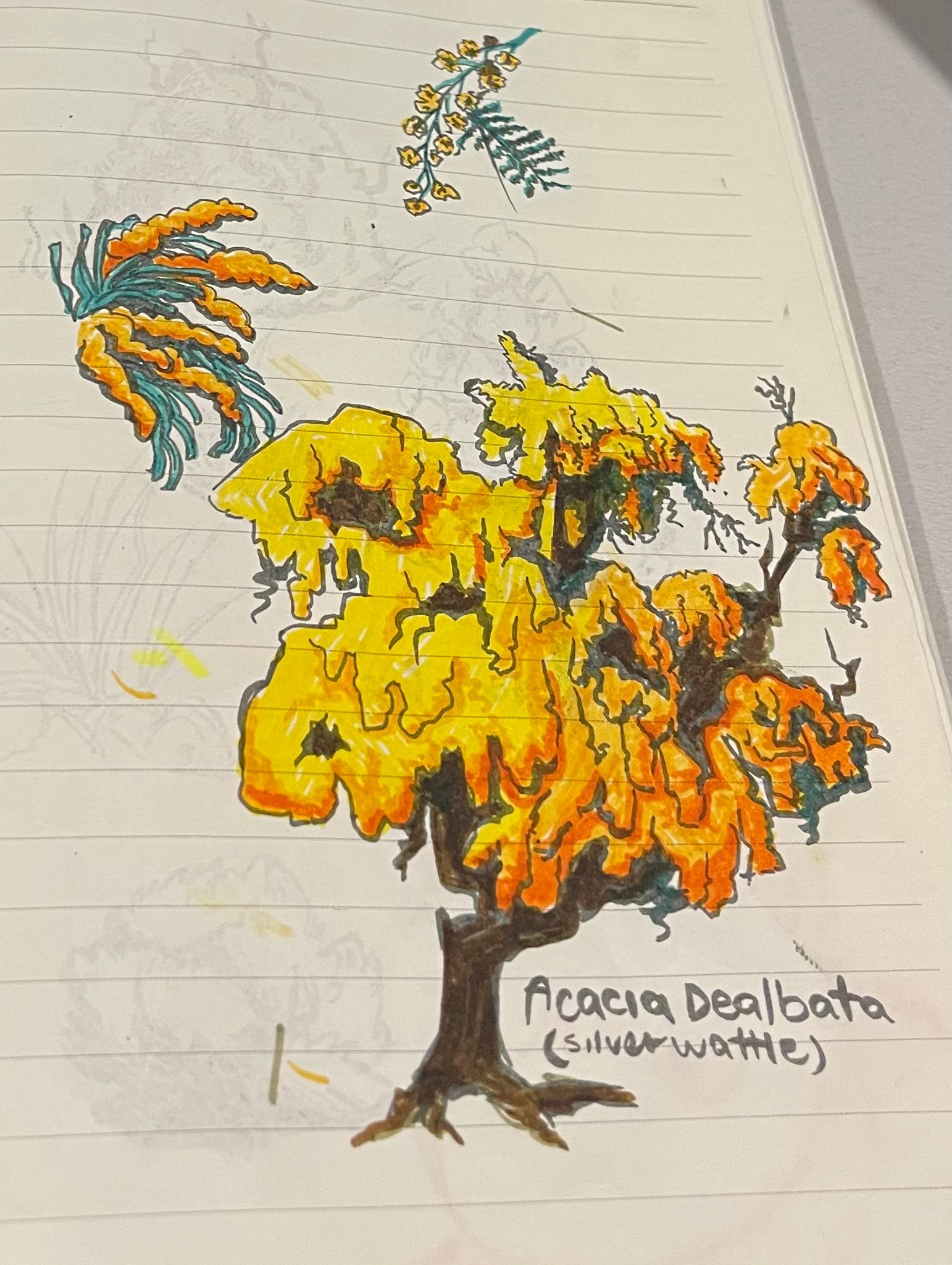
Hand-drawn study illustration of the Australian silver wattle tree (Acacia dealbata), showing yellow blossoms and foliage as part of environmental research into native ecosystems.Sketch study of bright red talons and legs of an Australian bird of prey, showing claw structure and anatomy for wildlife illustration and environmental study.Detailed sketch illustration of a Brahminy kite bird of prey, showing brown wings and white head, drawn as part of a native Australian wildlife study.Colourful illustration of a mud crab labelled “Bungu Bungu,” representing Bundjalung language and coastal wildlife education from Northern Rivers ecosystems.Hand-drawn sketch studies of Australian coastal birds in a notebook, showing multiple poses and anatomy references used for wildlife illustration and environmental research.Pencil sketch studies of the bush stone-curlew showing head, body and stance anatomy drawn as part of Australian bird research and wildlife illustration practice.Illustration panel showing the evolution of mullet fish drawings from early sketch to finished coloured artwork by Aria Kitchener, demonstrating wildlife illustration development.Sketchbook study of Australian native plants including a hoop pine tree, drawn as part of environmental and botanical illustration research.Hand-drawn sketch studies of a frog labelled “Jiribiny,” showing anatomy and posture from a sketchbook used for Bundjalung language wildlife education.Colour illustration of an Australian pelican standing near coastal water, created as part of a wildlife art study of native Australian birds.Sketchbook drawing of a willy wagtail bird labelled “Juyjulam,” representing Bundjalung language and Australian bird illustration studies.

FAQ

FAQ: Bundjalung Language Resources (Language Cards)

What are the Bundjalung Language Cards?

They are illustrated language cards that pair local wildlife and place-based knowledge with Bundjalung words, supporting language revitalisation and reconnecting with Country.

Are the words dialect-specific?

Bundjalung Nation includes multiple dialects and languages, so these cards reflect local and personal interpretations based on the Northern Rivers Bundjalung region.

Who are these resources for?

They’re designed to be accessible for community, families and anyone learning on Bundjalung Country, with a focus on supporting future generations.

How were the cards created?

Each animal is researched from local ecosystems using photography and reference material, then drafted and redrawn into totem-style illustrations for educational use.

Can educators or community groups use the cards?

Yes—use them as learning prompts and cultural conversation starters, and always credit the project and approach the material with respect.

How can I support this language revitalisation work?

Share the project responsibly, credit the creators and language collaborators, and engage with local language organisations and community-led initiatives where possible.